Back to News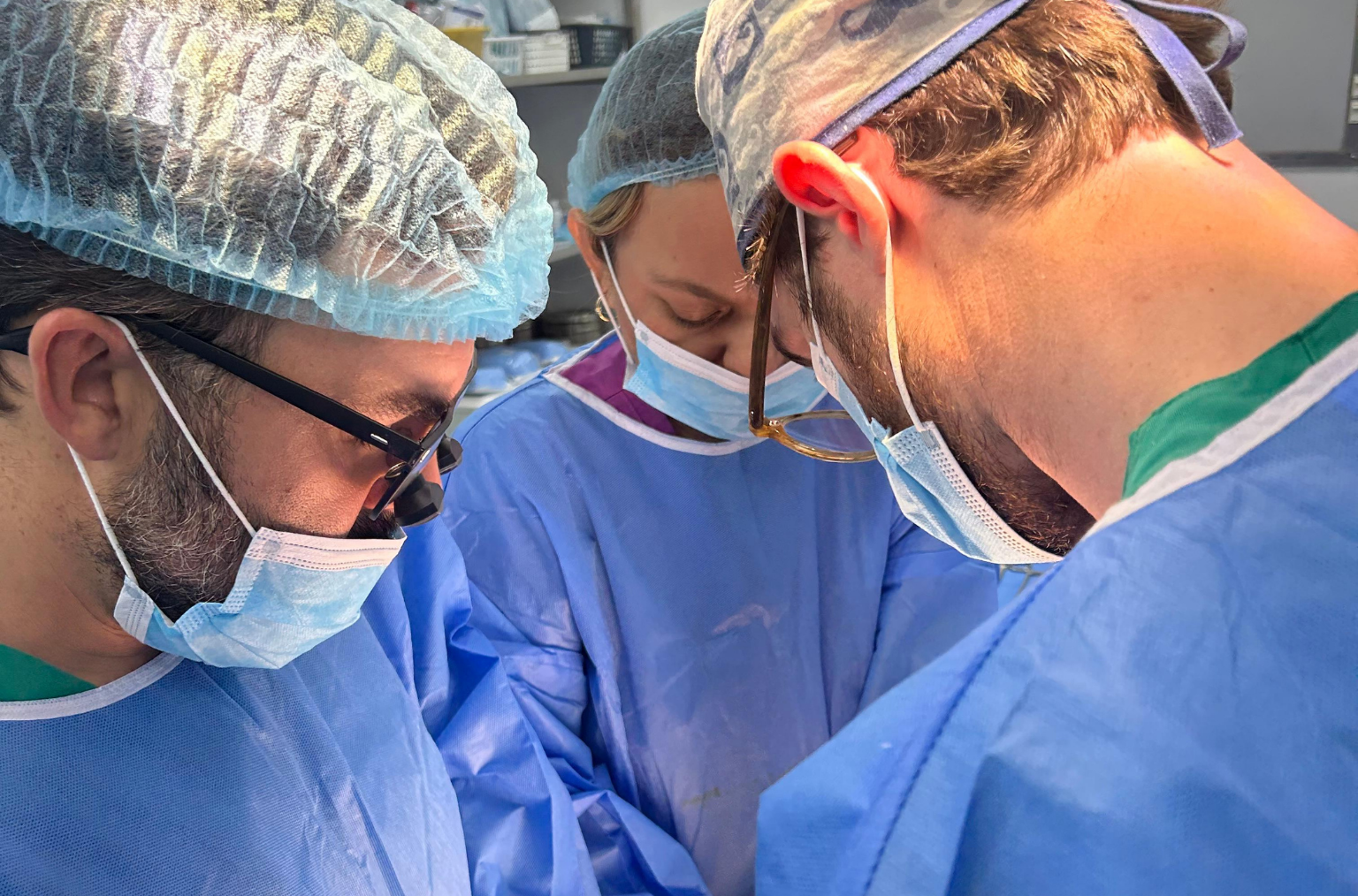
December 2025. The ROC Foundation has carried out a new surgical brigade at the Mario Catarino Rivas Hospital (HMCR) in San Pedro Sula, Honduras, aimed at treating complex urological conditions in patients without access to specialized surgery. The mission was led by a multidisciplinary team of Honduran and Spanish professionals.
Surgeries that restore dignity and quality of life
During the brigade, highly complex surgical procedures were performed, including:
- Four repairs of urethral stricture complex in patients who had been urinating through a catheter in the abdomen (bladder stoma) for years. Among them:
- A 26-year-old man affected by complex urethral stricture secondary to perineal trauma and severe burns.
- A woman with stenosis secondary to obstetric trauma.
- Two males with traumatic stenosis following serious accidents.
- Two nephrectomies (kidney removals) in patients with non-functional, infected kidneys and multiple stones.
All surgeries were performed using local surgical equipment from HMCR, supplemented with equipment donated by collaborating companies, managed thanks to the support of the ROC Foundation.
Medical training: sowing the seeds for the future
In addition to providing medical care, the brigade has played an important educational role. A workshop on medical records and basic urology was given to sixth-year medical students at the Catholic University of Honduras, thereby strengthening the training of future healthcare professionals in the country.
Consultation and follow-up: stories that move you
The activity was completed with medical consultations to assess patients scheduled for surgery and review patients who had undergone surgery in previous brigades.
Among the latter, one case stands out: a patient who underwent surgery a year ago for urethral stricture following severe perineal trauma. After three years of urinating through his abdomen, he can now do so naturally. This patient traveled from Corintos, on the border with Guatemala, solely to thank the medical team for the radical change that the surgery has brought to his life.
The other side of reality: shadows that move us
The team has also witnessed the harshness of the social context. One patient scheduled for a nephrectomy due to a large kidney tumor was unable to be admitted on the scheduled day due to a sudden and profound family tragedy that led her to prioritize mourning and supporting her loved ones. Even so, she expressed her willingness to return for the procedure when circumstances allow.
A medical team united on both sides of the Atlantic
The team included urologists from HMCR, Dr. Keemberlee Vilchez and Dr. Mario Ramos; Spanish urologists, Dr. Vital Hevia, Dr. Manuel Hevia, Dr. Ana Domínguez, and Dr. Alejandro Sánchez Pellejero; and anesthesiologists, Dr. Isabel Munguira and Dr. Jorge Cortijo.
Two perfectly coordinated teams that, despite being separated by more than 8,000 kilometers, have worked as a single unit with a common goal: to improve the quality of life of patients with serious urological diseases.
Gratitude, faith, and commitment
In an environment marked by poverty and lack of resources but deeply humane and supportive, there is a constant sense of gratitude towards healthcare professionals. Faith and hope accompany every step taken by patients and families who see these brigades as a real opportunity for healing.
At the ROC Foundation, we remain firmly committed to developing sustainable healthcare cooperation projects based on assistance, training, and collaboration with local professionals, convinced that medicine can—and should—cross borders.